
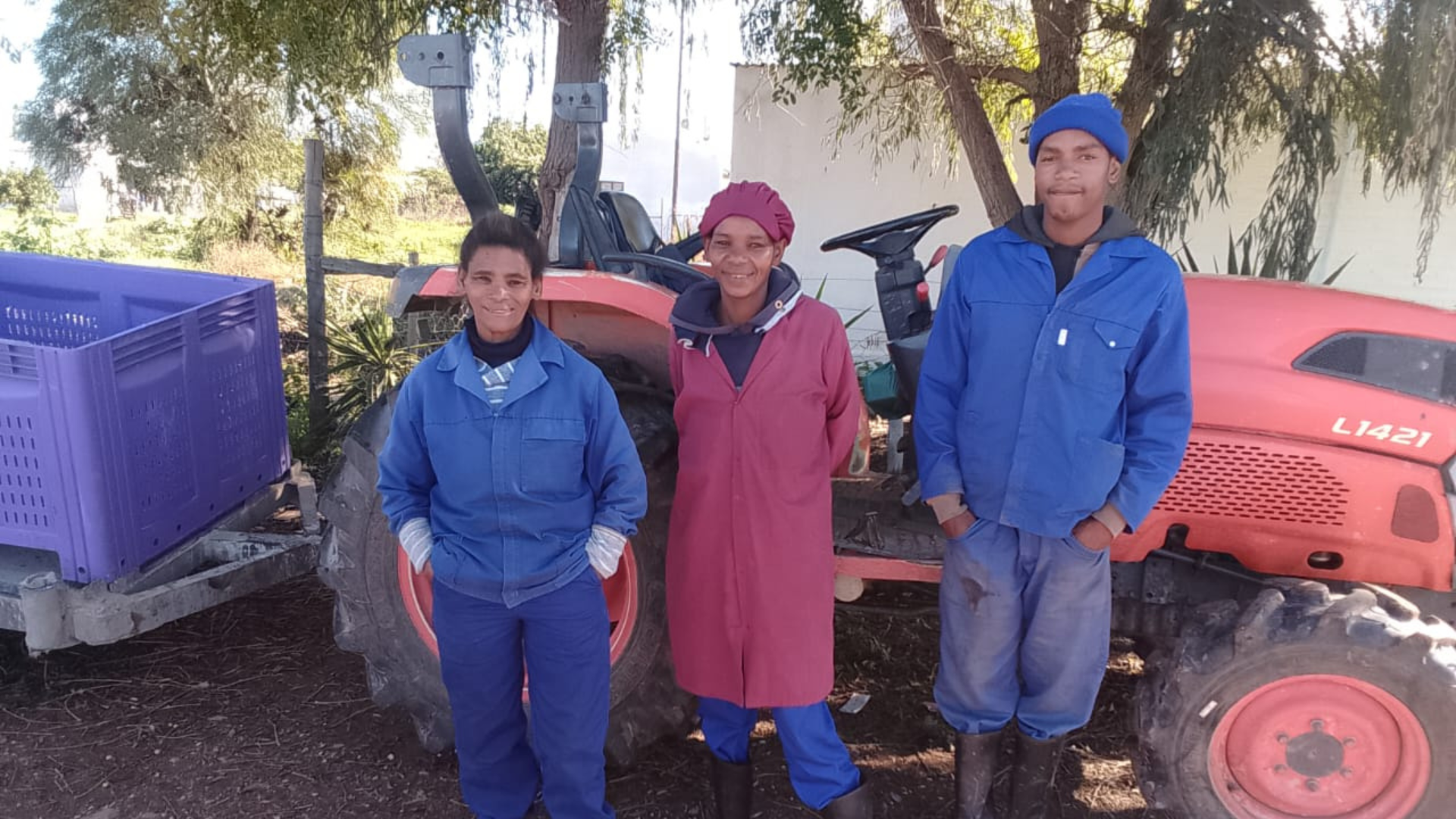
When we sat down with Koa Lewis, her daughter Berenice, and Berenice's son Duncan on a Western Cape farm earlier this year, we asked Koa a simple question: why did you join Picsa?
She didn't mention interest rates or investment returns, rather, she talked about her grandchildren and about what they will have when she's no longer around.
““My parents never taught me how to handle money,” Koa says. But when her children came along, she wanted to do things differently. ”
Berenice grew up with a father who talked to her about saving. She joined Picsa about two years ago, then stopped when she wasn't working, and started again when she found a job.
When Duncan was old enough, she explained the importance of saving to him and he listened to his mother’s advice. The day Picsa came to the farm, Duncan signed up at 21 and took out a funeral policy at the same time.
What this means for employers
Most employers already understand the theory behind why their employees need to save, however the Lewis family shows what this looks like in practice.
Workers who intend to save rarely do so consistently when the responsibility sits entirely with them. When saving is automatic and embedded in the payroll cycle, participation rates are higher and balances grow steadily over time.
““Many people spend years stuck in cycles of debt and short-term financial pressure. Helping someone break that cycle and start planning ahead can create stability for families and open doors that may never have existed before.””
If you would like to explore what saving could look like for your workforce, we’d love to chat.