
NATIONAL SAVINGS MONTH SPOTLIGHT
Between March 2021 and February 2026, the money Picsa members hold in long-term investments grew from R16 million to just over R45 million. Over the same four years, the number of members with balances above R10,000 more than tripled.
For employers, these numbers are worth paying attention to, since it says something about how financial behaviour changes when the right structure is in place. For the worker, it can mean the difference between facing a setback with nothing to fall back on and facing that same setback with real options in front of them.
Proudly South African roots
Most Picsa clients began saving at the minimum contribution of R25 a month, back when Picsa was still working out how to make this kind of saving available to farm employees in the first place. The amount itself was never really the point, since what actually mattered was what happened to that money once it had been set aside and left to grow.
Because the contribution comes off a worker's pay before it ever reaches their bank account, saving becomes something that simply happens in the background, in much the same way it does within a stokvel, one of the oldest and most trusted ways South Africans have built savings together for generations.
Helping South Africa’s low-income worker win at saving
A recent living wage study by the Anker Research Institute and researchers at the University of Cape Town found that a full-time farmworker in the Western Cape needed R7,921 a month in 2025 to cover a decent standard of living, enough for food, housing, healthcare and school costs for a family, without relying on overtime. The minimum wage most farmworkers earn works out to about R5,600 a month, which means the gap between what people are paid and what they actually need to get by is real and well documented, not a case of poor budgeting.
Even workers who earn more than that are struggling to hold onto whatever they do manage to save. Data from Alexforbes shows that most South Africans withdrawing from the two-pot retirement system aren't doing it by choice. Eighty percent are using the money to cover debt and essential living expenses, and a large share end up going back for more within the same year. That's the picture for people who already have a formal retirement fund behind them. Most low-income workers never get that far in the first place.
This is the reality Picsa was built to work inside of, not around. "If we do our job well, we remove friction, simplify the process for employers, and help them support their people," says Lohan Jansen van Vuuren, CEO at Picsa.
It helps the business too. Financial stress tends to follow people to work, and shows up in requests for salary advances and in time and productivity lost due to distraction and absenteeism. Employers who have made this kind of saving available report seeing less of both, not because the underlying money problems disappear but because their workers have somewhere else to turn when something goes wrong.
This National Savings Month, partner with Picsa to end the low-income debt cycle in South Africa and empower your employees with real financial tools.
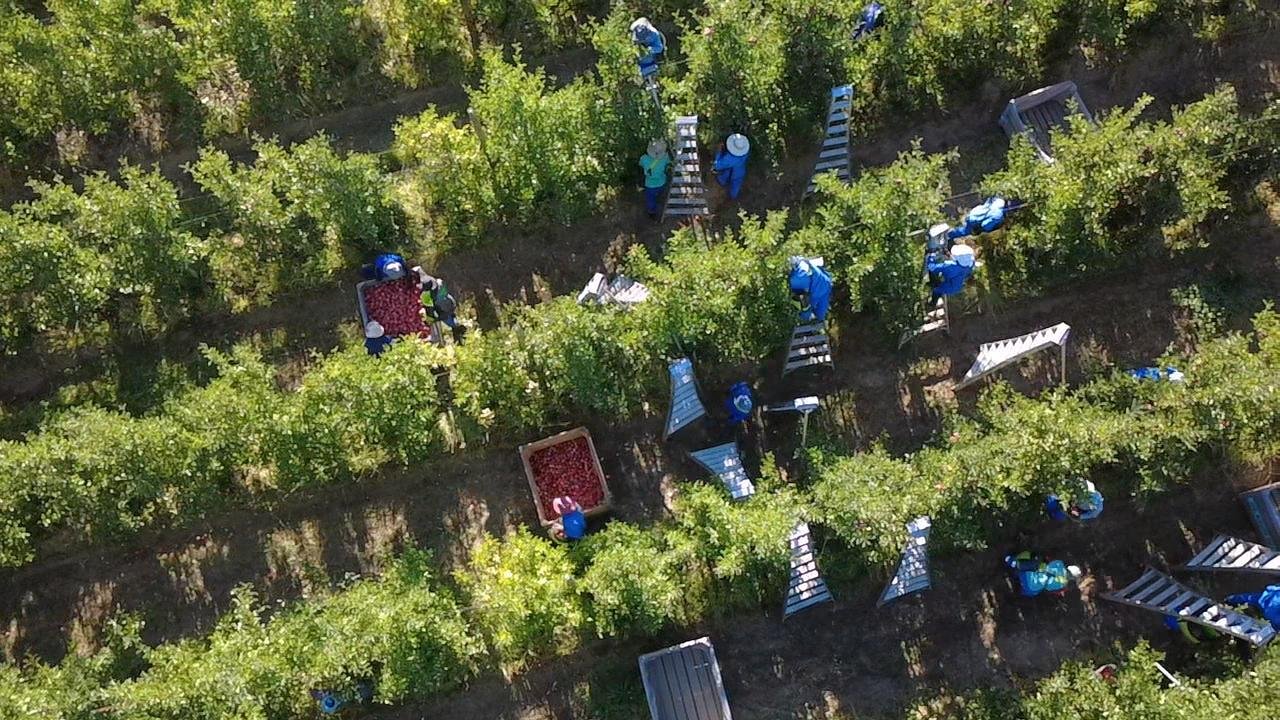
Photo credit: De Keur Group