
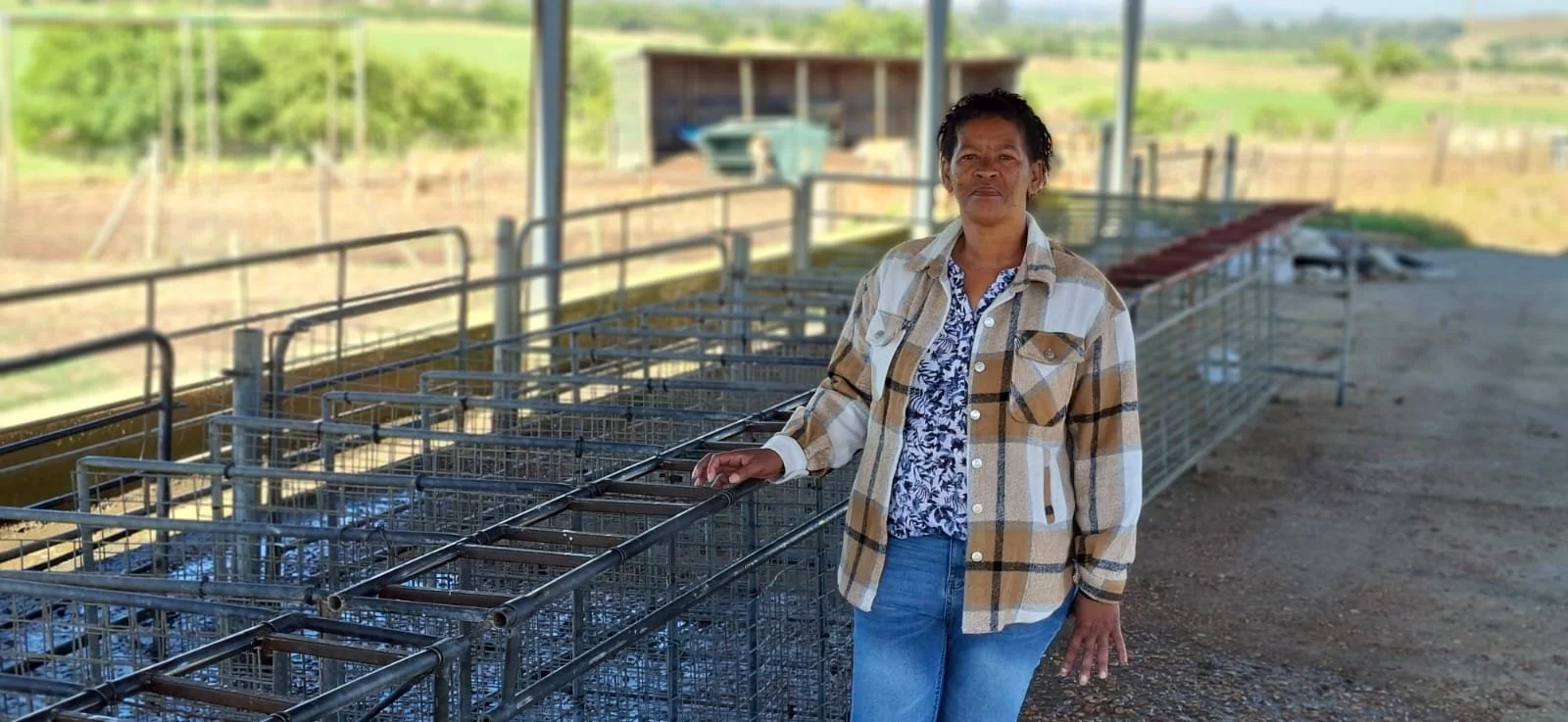

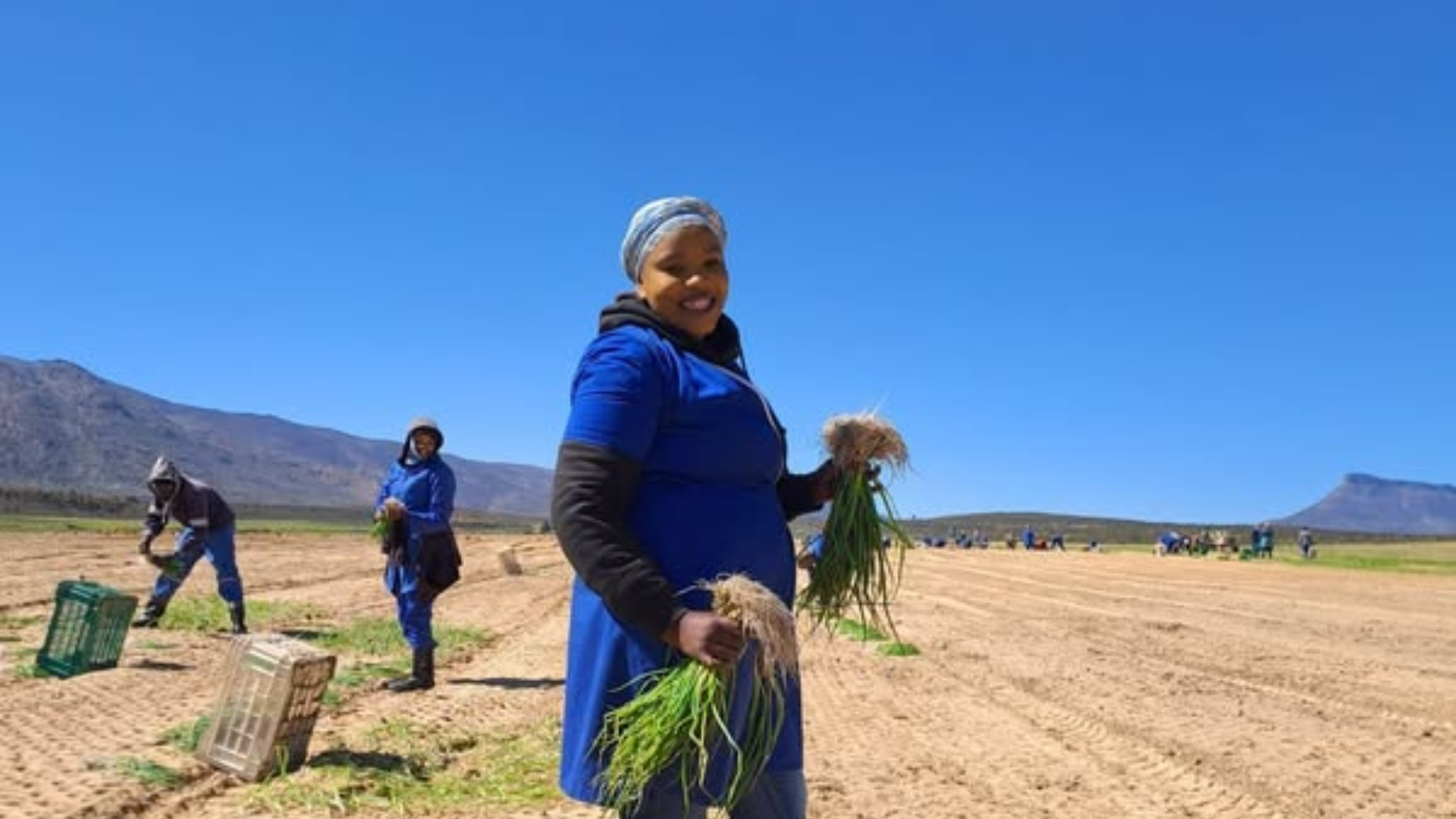
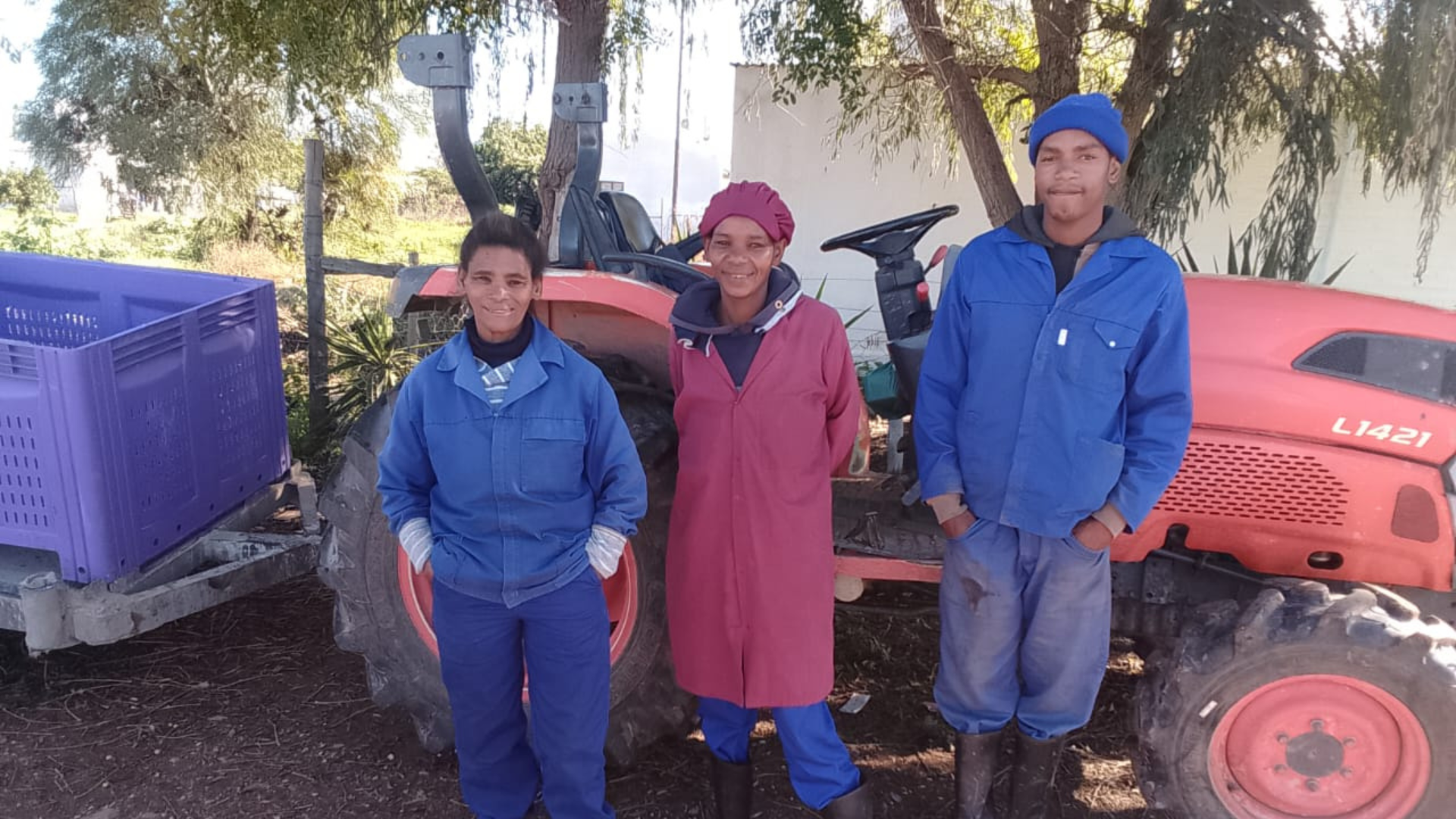
Koa Lewis never learned how to manage money growing up. Decades later, her daughter and grandson are saving with Picsa too. Here's what three generations of one family show employers about what makes workplace saving actually stick.

Koa Lewis never learned how to manage money growing up. Decades later, her daughter and grandson are saving with Picsa too. Here's what three generations of one family show employers about what makes workplace saving actually stick.
See how a simple payroll savings model helped low-income workers in South Africa grow long-term savings from R16 million to R45 million in four years.
When illness forced farm worker Jacolene Lombaard to stop working, years of consistent saving with Picsa gave her financial support when she needed it most. Her story highlights the importance of saving money for emergencies and how an employee savings programme can help workers manage unexpected health challenges, income loss, and financial uncertainty. Discover how disciplined long-term saving created stability and gave Jacolene the opportunity to focus on her recovery and future.
Simonsig has partnered with Picsa to support the financial health of its workforce through simple, accessible financial products designed for blue-collar workers. With no monthly fees and minimal admin, employees now have safer ways to save, access to emergency loans, and improved financial knowledge. The result is a more financially aware workforce that feels confident making informed decisions about their future.
When illness forced farm worker Jacolene Lombaard to stop working, years of consistent saving with Picsa gave her financial support when she needed it most. Her story highlights the importance of saving money for emergencies and how an employee savings programme can help workers manage unexpected health challenges, income loss, and financial uncertainty. Discover how disciplined long-term saving created stability and gave Jacolene the opportunity to focus on her recovery and future.
Simonsig has partnered with Picsa to support the financial health of its workforce through simple, accessible financial products designed for blue-collar workers. With no monthly fees and minimal admin, employees now have safer ways to save, access to emergency loans, and improved financial knowledge. The result is a more financially aware workforce that feels confident making informed decisions about their future.
Supporting employee financial health is becoming a priority for agricultural businesses across South Africa.
At De Keur Group, where the finest apples, pears, berries, cherries, nectarines, and onions are cultivated in the heart of the Koue Bokkeveld, Ceres, and Wolseley, the wellbeing of people is valued just as highly as the quality of the produce. For Johan du Plessis, HR Manager at De Keur Group, supporting the financial health of employees is part of building a stronger, more engaged workforce.
De Keur Group partnered with Picsa in 2019 to help employees shift toward healthier financial habits. “We often sit around the management table and ask ourselves how we can help our employees access money in the right way,” says Johan.
“Picsa offered exactly that - a responsible way for employees to manage their money without turning to loan sharks or paying unnecessary interest.”
Before Picsa, many employees were burdened by personal debt. “Our goal was to help employees get rid of debt,” Johan explains. “What stood out for us about Picsa was the concept of reducing debt and encouraging people to buy responsibly, and only when they have the money to do so.”
Through Picsa’s short- and long-term investment products, emergency savings, funeral cover, and responsible loans, employees now have safe, flexible ways to plan and save. The short-term investment option has become particularly popular among De Keur employees and helps them prepare for seasonal breaks or family needs.
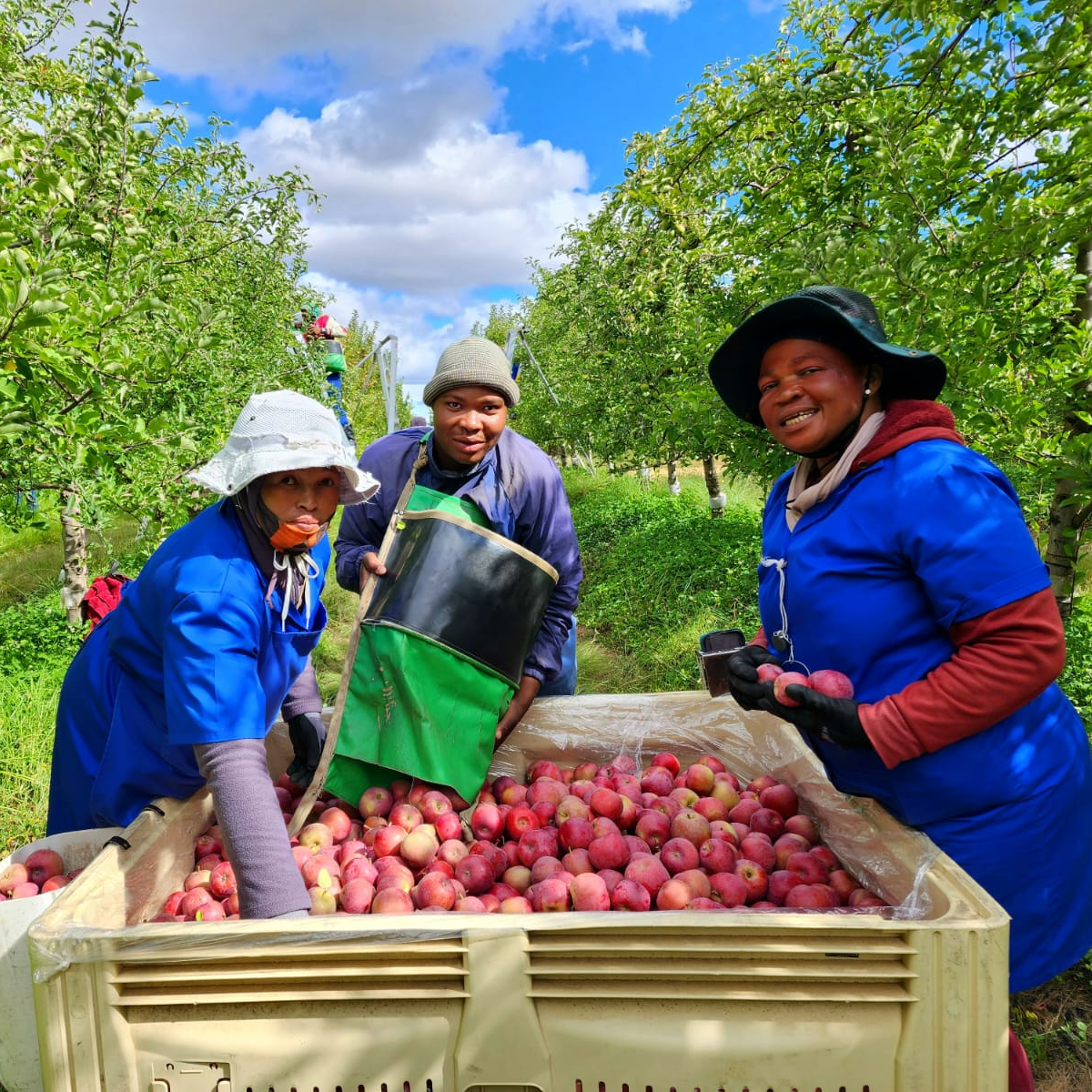
De Keur Group employees hard at work
Since introducing Picsa, De Keur has noticed a remarkable shift in employee behaviour. “We receive far fewer, if any, loan requests,” Johan says. “It certainly helps them to deal with unexpected financial crises in a more healthy and respectable way.”
This change has had a visible ripple effect across the business. “Less financial stress means happier employees, and in turn, that improves productivity and morale. You can see it in the way people show up at work.”
Seasonal employees have also embraced the habit of saving. “Many of our seasonal workers join Picsa as soon as they receive their first paycheck,” says Johan. “By the time the season ends, they’ve built up savings to take home. It’s become a cycle of healthy financial behaviour among the workers on our farms.”
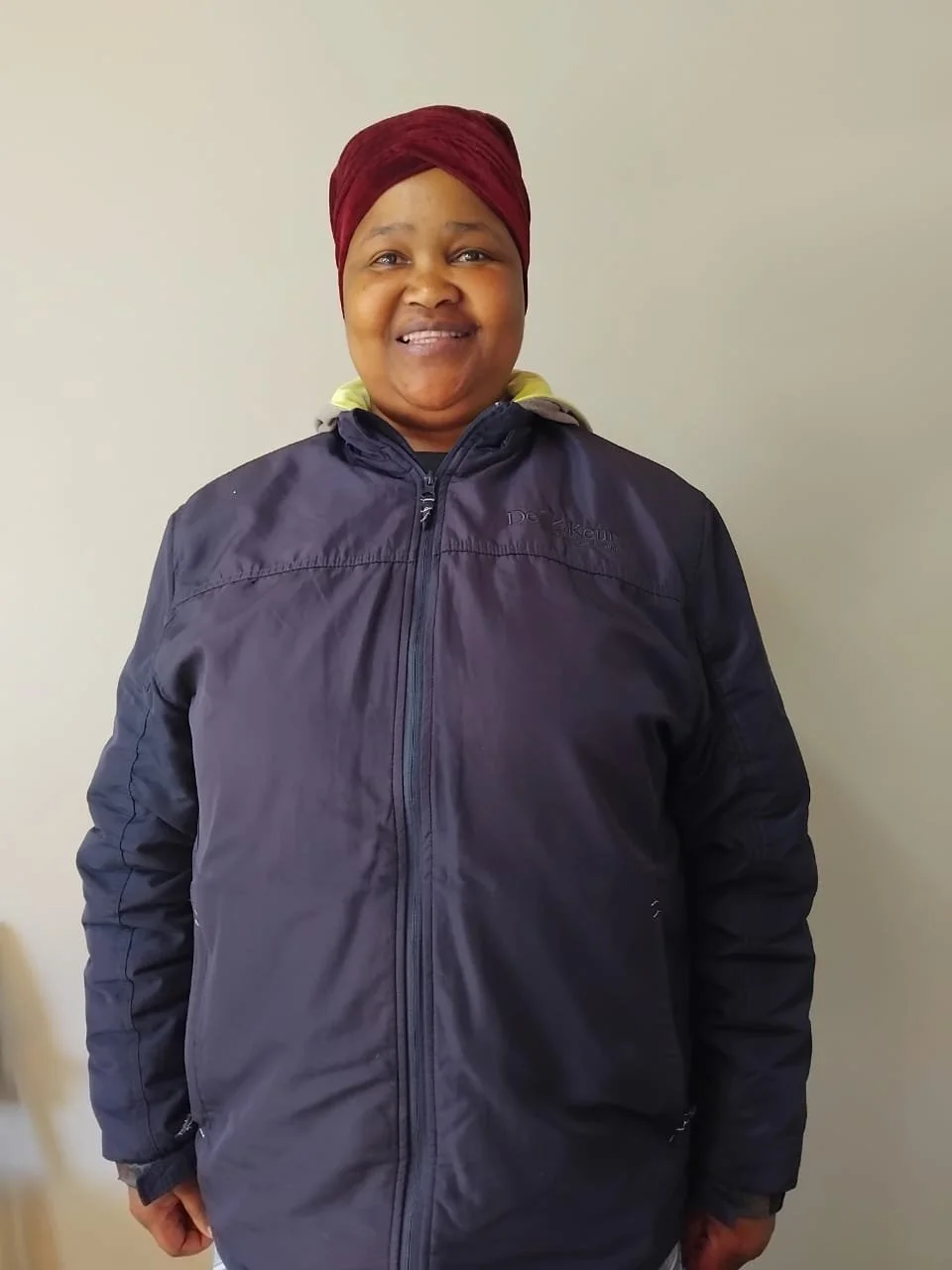
Rosie Lebaka proudly sharing her savings journey with Picsa
Suné de Klerk, Wage Manager at De Keur Estate, shared one of the success stories that best captures the value of Picsa’s services:
“Rosy Lebaka works in our office. Ever since she joined Picsa, she’s been saving faithfully. For her, it used to be such a struggle to get to the bank on Saturdays to deposit her savings. Since joining Picsa, the process is so much easier for her. She simply sends a message to Picsa to withdraw her investment when she needs it. Every June, when she goes home to Sterkspruit, she has enough savings to take care of her children and family. And she’s not the only one. Others who go home for the holidays do the same.”
This ease of access has given employees more control over their finances and has instilled more pride in their ability to plan ahead. “You can see the difference,” Johan adds.
“Employees are making provision in advance rather than borrowing. And to us, that’s evidence of their personal growth.”

De Keur Packaging team building event
De Keur has also implemented Picsa’s Community Rewards Programme, where members of the workers’ committee help recruit new sign-ups. For every new enrollment, the farm receives a small rebate that goes back into community projects. “It’s a wonderful way to make a big difference,” says Johan. “Our farms are similar to small towns, and when we invest back into our communities, we’re improving the quality of life for everyone.”
The programme has even funded team-building activities and farm-level initiatives, turning savings into something tangible that benefits both individuals and the community.
From Johan’s perspective, working with the Picsa team has been a consistently positive experience.
One of the biggest advantages is the direct relationship between employees and Picsa. “All communication happens between the employee and Picsa,” Johan explains. “That means employees take responsibility for their own decisions, and it removes administrative pressure from our HR and finance teams. It’s definitely a win-win partnership for us.”
The process itself is straightforward. Picsa manages employee accounts directly, ensuring that salary deductions are processed easily, in line with all legal requirements and with management oversight. There’s no need for additional administration or reconciliations from De Keur’s side, just a smooth, compliant system that supports employees’ financial wellbeing with minimal effort from the employer.
De Keur’s focus on employee wellbeing goes beyond financial products and forms part of a broader commitment to emotional and social wellness. “In recent years, we’ve seen a growing need to support both the emotional and financial wellbeing of our employees,” Johan says. “Among others, we integrate financial education and stress management into our training strategy because we want employees to be independent and stand on their own feet. Picsa plays an important role in that journey.”
As a business rooted in quality, care, and community, De Keur Group understands that good things take time and attention. Supporting employee wellbeing through financial health is just one more way they’re investing in long-term growth, for their people, their farms, and the future.
For more information about De Keur Group, visit www.dekeur.com
Discover how Picsa helped Fransa Willemse and his family break free from living hand-to-mouth. Through consistent saving, budgeting, and smart financial habits, they found peace of mind and financial stability. Read this inspiring Picsa client testimonial to learn how saving with purpose can change a blue-collar worker’s life.
At Remhoogte Boerdery, a fruit farm in the Western Cape, the desire to help employees save arose from a genuine concern for their wellbeing. Today, they are strong advocates for improving workers’ financial health through structured, accessible support, and they’ve found a valuable partner in Picsa to help make that possible.
Pieter Wasserfall is a qualified actuary, entrepreneur, and strategic thinker with close to two decades of experience in financial services and global consulting. After working for Accenture across Africa, Europe, and North America, Pieter’s vision shifted to solving one of South Africa’s most entrenched problems: the cycle of debt trapping low-income workers. In 2012, he founded Picsa, a financial services company whose vision is to see the lives of low-income workers in South Africa flourish.
Many South Africans find themselves crawling from payday to payday. Not even wealthy South Africans are walking confidently when it comes to their finances. Rising food prices and increased fuel and travel expenses are just a few reasons why ALL South Africans, wealthy and poor, feel like they are wading through mud financially.
A strong economy starts with strong personal financial habits. Employers play a vital role in supporting their workforce on their journey to becoming financially healthy.
The festive season is fast approaching and soon every major retail store will be filled with Michael Bublé’s rendition of “I’m dreaming of a white Christmas.”
While the festive season brings much fun and excitement, as a business owner, you’re also facing year end deadlines, clinching last minute order deals, and the responsibility of paying out bonuses. However, January and its inevitable financial crunch lurks in the background of holiday festivities.
As the festive cheer fades and the tinsel and lights are taken down and boxed until next year, many employees find that they’ve overspent and ask for salary advances or take out loans to cover transport, food and electricity costs to make it through the month. Factor in the additional costs of school uniforms and stationery needs, and January quickly becomes overwhelming.
Salary advances or company loans to employees may offer temporary relief, but it is a less-than-ideal way to start the year. Here’s how you can help your low income workers avoid the infamous “Janu-worry” blues.
1. Plan early for festive season spending
Encourage your employees to start saving now for their December and January expenses. Make it relatable for them. Share real-life scenarios you or other employees have dealt with, especially instances where under budgeting and overspending have led to financial stress. By sharing these experiences, you can help your employees learn from others’ mistakes and take proactive steps to avoid them. Explain the benefits of early financial planning for the festive season.
2. Compile a budget
Simply put, a budget is a plan that outlines how to spend your money every month. Help your employees understand the importance of writing down what their income and expenses are to give them a clear picture of where their money is going. This simple step can make a big difference in understanding their financial habits. Furthermore, provide resources and workshops on budgeting techniques, saving strategies, and financial goal setting to help employees gain control over their finances.
<< Download our free SMART budget template to help you save >>
3. Save your bonus
If your employees are eligible for a bonus at the end of the year, take the opportunity to have a conversation with them about the importance of saving it for essential January expenses such as school clothes and stationary or for unexpected expenses in the future. Having money saved in the bank will alleviate any unnecessary stress and pressure and help them carry the holiday cheer into the new year.
4. Help them understand the risks of borrowing money
Microfinance and payday lenders provide small loans, usually without collateral, to low income earners who lack access to traditional banking services to cover emergency expenses. Unfortunately, these loans come at a price and keep employees trapped in a cycle of debt.
Financially literate individuals are less likely to fall victim to predatory lending practices or fraudulent schemes. With the right knowledge, they can start developing better financial habits such as budgeting, saving, and investing for the future.
5. Partner with Picsa to help
By partnering with Picsa, give the gift of knowledge and practical tools to help reshape the financial trajectory of your employees. Picsa offers affordable financial products, practical education, and meaningful rewards, all designed to encourage positive behaviour change and improve the financial health of your low income workforce.
Contact us to learn more about our simplified wealth-creation solutions.
Picsa’s financial solutions were built around the principle of hope: we want to give low income workers hope that they can overcome their debt and we want to be a beacon of hope for them and their families for the future.
Just like tapestry weaving involves slow and steady work to weave unique pictures, we believe that steady progress in terms of achieving financial goals is possible.
Learning to become financially independent and work towards becoming financially healthy can seem like an impossible task sometimes. However, Marie Nel, administrative assistant at Vadersgawe, shares her story about how Picsa helped her take control of her finances and save towards her future.
Picsa is a financial services provider that offers simplified wealth creation solutions designed to help low-income workers become financially healthy. From the day we meet our clients face-to-face during our workplace presentations, we journey with them by guiding them and providing solutions to overcome debt and save for emergencies and for the future.
Says Marie, “At first I wasn't sure about Picsa's way of saving, but after talking with my husband and my brother, I decided I was going to try it myself. My brother works for another farm and is very positive about Picsa.”
Our product offering includes a range of investment options tailored to various financial needs, such as budget-friendly funeral plans, responsible lending solutions, and a one-of-a-kind loyalty program that rewards good financial choices.
Marie continues, “I first took out a funeral policy from Picsa, and then started with a short- and long-term savings plan. I have benefited from all three of these products. The beauty of saving with Picsa is that it requires me to apply for withdrawals on the first of every month, thereby instilling a sense of discipline. If I forget, I miss out on accessing my savings for that month.”
Our goal is to give low income workers control over their finances, and saving, even in small amounts, is key to achieving this. By saving, employees are able to build financial health, allowing them to handle unexpected expenses without crisis or feeling the need to take out an unsecured loan. Marie recalls such a time in her life. “My mother died, and I was able to apply for a claim. It took me ten minutes to do the application, with the best help from Picsa. It wasn't even a day later and the money was in my account. I bragged to all my coworkers about the great service. I still encourage people to use Picsa's policies.”
At Picsa, we believe that we have the responsibility to ensure that all South Africans have access to savings products, irrespective of their income, as well as affordable insurance and access to responsible credit. In time, we want to see every South African start saving to build financial security for themselves and their families.
Marie shares how Picsa has helped improve the financial health of the staff at Vadersgawe. “Picsa has helped us become financially mature as adults. Parents can now take care of their families, both in season and out of season. Our Xhosa team members all saved up to go home to the Eastern Cape, and they didn't use their bonus for that. The children's school clothes and stationery can also now be purchased in cash without using loans.”
"With Picsa, people have money any time of the month. I remember a time when one of our team members managed to save R900 every week. During this time, there was a particular week when he had only R40 left after saving and taking care of other expenses. When I expressed concern, he assured me he'd manage just fine. Picsa helps you stay disciplined and committed to your financial goals.”
Marie concludes, “Employer partners do not make a mistake in giving Picsa a chance to help their people to empower themselves financially. Vadersgawe's people now have more wisdom and insight around finances.”
At Picsa, we dream of seeing the lives of low income workers in South Africa flourish. If you’re interested in digging deeper and learning more about helping your employees become financially secure, contact us. We’d love to partner with you.
South Africa commemorates Women’s Day during August, with the theme “Celebrating 30 years of democracy Towards Women's Development”. However, according to StatsSA, the labour market in South Africa still favours men over women, revealing large gender gaps in employment and indicating that women’s development still has a long way to go.
This issue is not unique to South Africa. Globally, workplace inequalities between men and women persist, with less women participating in the labour force than men. Additionally, women are less likely to secure employment compared to men.
"There’s no time like the present." This saying holds especially true when it comes to saving. With countless good reasons to start saving, it often feels like there's never a good time to actually do it. Life's unexpected challenges – the car breaking down, a child's illness, and many other unforeseen expenses – can easily derail even the best-laid plans. National Savings Month is the perfect opportunity to overcome these obstacles and make a commitment to your financial future.
Financial literacy is an essential skill for individuals of all ages, but it's especially important for young people learning to navigate the complexities of adulthood. In South Africa, where economic challenges and inequality remain an ongoing issue, the need for financial education as a means to empower the next generation is crucial.
During turbulent times, like an election year, it's all too easy to lose sight of what truly matters, particularly for low-income workers in South Africa. While we cannot predict the outcome of the upcoming national election, we can help our blue collar workforce to focus on the things that are within their control, such as keeping the right perspective regarding finances.
So many individuals work hard every day to earn their keep but struggle to make ends meet, living from hand to mouth without any savings or long-term investments. This is a reality faced by many South Africans, especially low-income workers, where a lack of financial education keeps them trapped in a cycle of poverty.
Financial literacy is about empowering all individuals, regardless of their income, with the tools to make informed financial decisions, set goals, and plan for the future. For low-income workers, this can mean the difference between living in constant financial stress and building a foundation for long-term financial stability.
What if we could change this narrative? What if we could empower low income workers with the knowledge and skills to take control of their finances and provide them with tools and resources to build a healthy financial future and break free from debt and loans?
Debt. It can be a formidable opponent, much like a double-edged sword. In the realm of personal finances, it has the power to pave the way for a prosperous future or injure and burden individuals and their loved ones for a lifetime. Just as a skilled swordsman hones their technique, empowering your employees, especially blue-collar workers, to sharpen their proverbial financial swords will help them improve their financial health.
During March, Debt Awareness Week places the spotlight on consumer debt, and its effects, and acts as a catalyst to start the conversation about personal debt. Debt Awareness Week presents a valuable opportunity for employers to engage their employees about responsible financial practices and how to help them escape the debt trap.
Generally, the use of financial products and services to promote savings and wealth accumulation is slanted towards households with higher incomes. Research indicates that there is still an alarmingly high rate of financial exclusion among the poor.
Financial inclusion is broadly defined as all persons having timely and fair access to appropriate, fair and affordable financial products and services such as bank and savings accounts, loans and insurance products, among others.
Anxiety about money is a topic that keeps South Africans awake at night. This, and other insights, were revealed in a survey conducted earlier this year by one of the country’s largest financial services providers. Among others, the survey indicated that only 36% of South Africans currently have a retirement fund. Furthermore, studies show that many South Africans will have to rely on social grants as part of their retirement to maintain their current lifestyle.
The reality is that most South Africans are not planning for retirement financially. For low-income workers, the situation is even more challenging as limited disposable income provides little room for savings, let alone saving for long-term goals such as retirement.
Thian De Beer, Chief Executive Officer (CEO) of the Picsa Group, gives some perspective on the current state of retirement specifically for low-income workers and shares how starting small with Picsa can make responsible saving and retiring possible for all South Africans.


